English Curriculum
I will teach you hidden lessons from our past - stories we have heard and known, stories our ancestors handed down to us. - Psalm 78
Intent
All stakeholders share the schools vision to deliver quality English lessons which will develop and inspire a love of reading, writing and discussions.
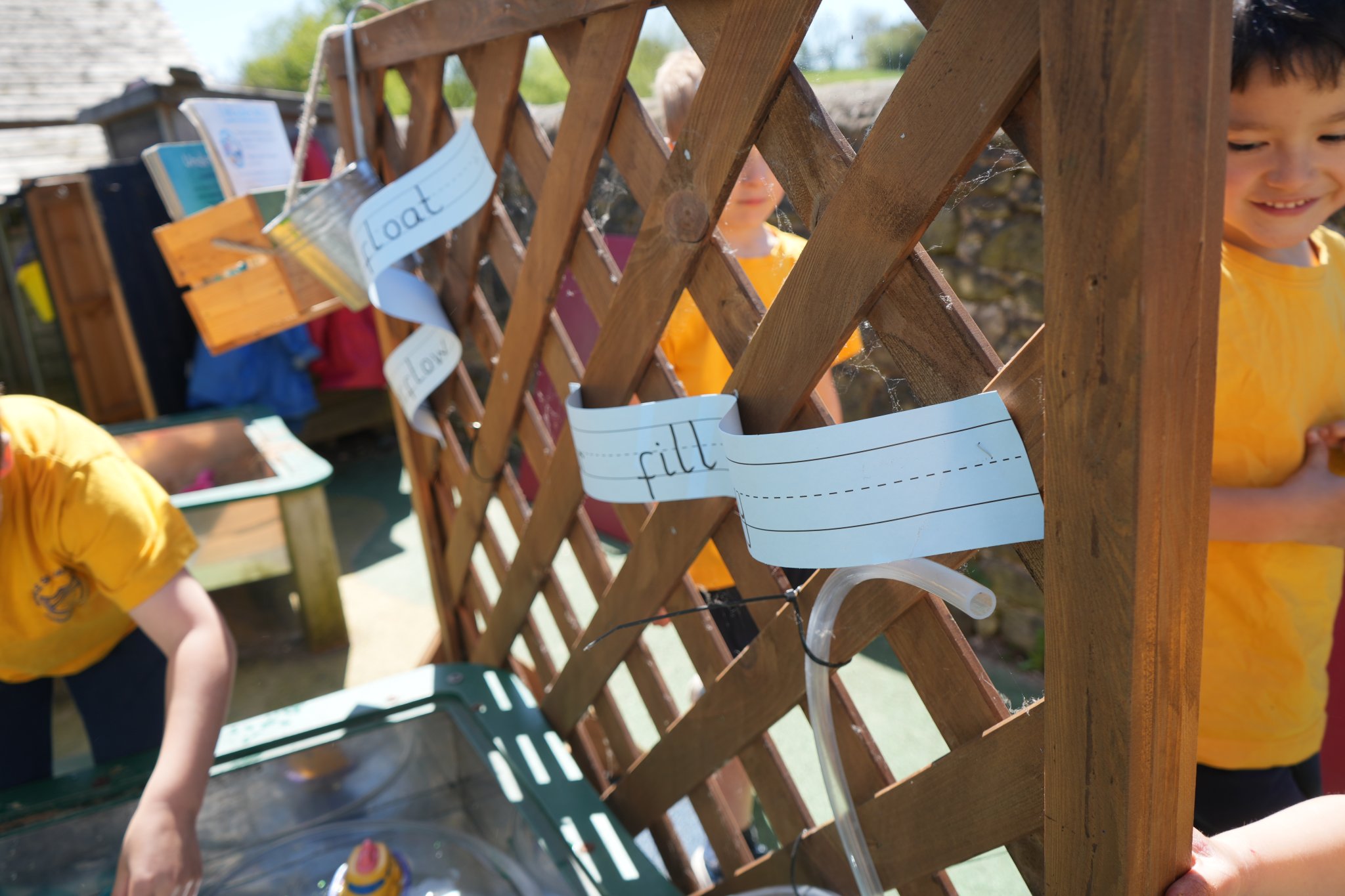
Our aim is to deliver a curriculum linked to children’s experiences and to make links with the local area/ community. We recognise the importance of phonics, particularly to form a solid foundation on which to build their reading and writing skills. Within all other subjects, there is a high expectation that children will apply their phonological knowledge along with the non-negotiable skills for each year group. We recognise that each child is unique and will learn in a different way. Therefore, a multi-sensory approach is used to deliver lessons including the use of physical books, e-books, audio books, writing with pen/ pencil and other inspiring resources linked to the topic/ genre.
Implementation
In Foundation stage, children have daily discrete phonics lessons. Children have opportunities to develop their communication, language and literacy skills on a daily basis in both adult-led and child-initiated activities.
In Key Stage 1, daily discrete phonics lessons (using the SuperSonic Phonics scheme) continue and are taught in ability groups, while children have daily mixed ability English lessons with an emphasis on real texts. Children also have discrete grammar lessons each week. Children take part in both guided and individual reading sessions and have regular story times to develop a love of reading. Literacy skills are developed across the curriculum. Provision is made for children who require extra support through intervention programmes, differentiated class teaching and extended phonics sessions.
In Key Stage 2, children have daily English lessons including discrete grammar warm-ups. Additional English sessions include guided reading, handwriting, spelling and a class novel which is read at the teacher’s discretion at a time throughout the day. Literacy skills are developed across the curriculum. Provision is made for children who require extra support through intervention programmes and differentiated class teaching. Some children continue to have daily phonics sessions.
The Four Strands of Speaking and Listening: Speaking; Listening; Group Discussion and Interaction, and Drama permeate the whole curriculum. Interactive teaching strategies are used to engage all pupils in order to raise reading and writing standards. Children are encouraged to develop effective communication skills in readiness for later life. Opportunities to develop these skills include: parent assemblies, presentations, Talk for Writing, talk partners, drama and performances including our Christmas Nativity and a performance at the end of the year. We recognise the need for all pupils to speak, read and write Standard English fluently and accurately, while acknowledging that a pupil's own dialect, or other language is also of importance. It is our school policy to model our own language to the children which encourages Standard English both in speaking and writing.
Teachers model reading strategies during shared reading sessions, whilst children have the opportunity to develop reading strategies and to discuss texts in detail during guided reading sessions. Independent reading provides time for both assessment and 1-1 teaching. Daily discrete phonics lessons in FS and KS1 enable children to decode efficiently. This is continued into KS2 where necessary.
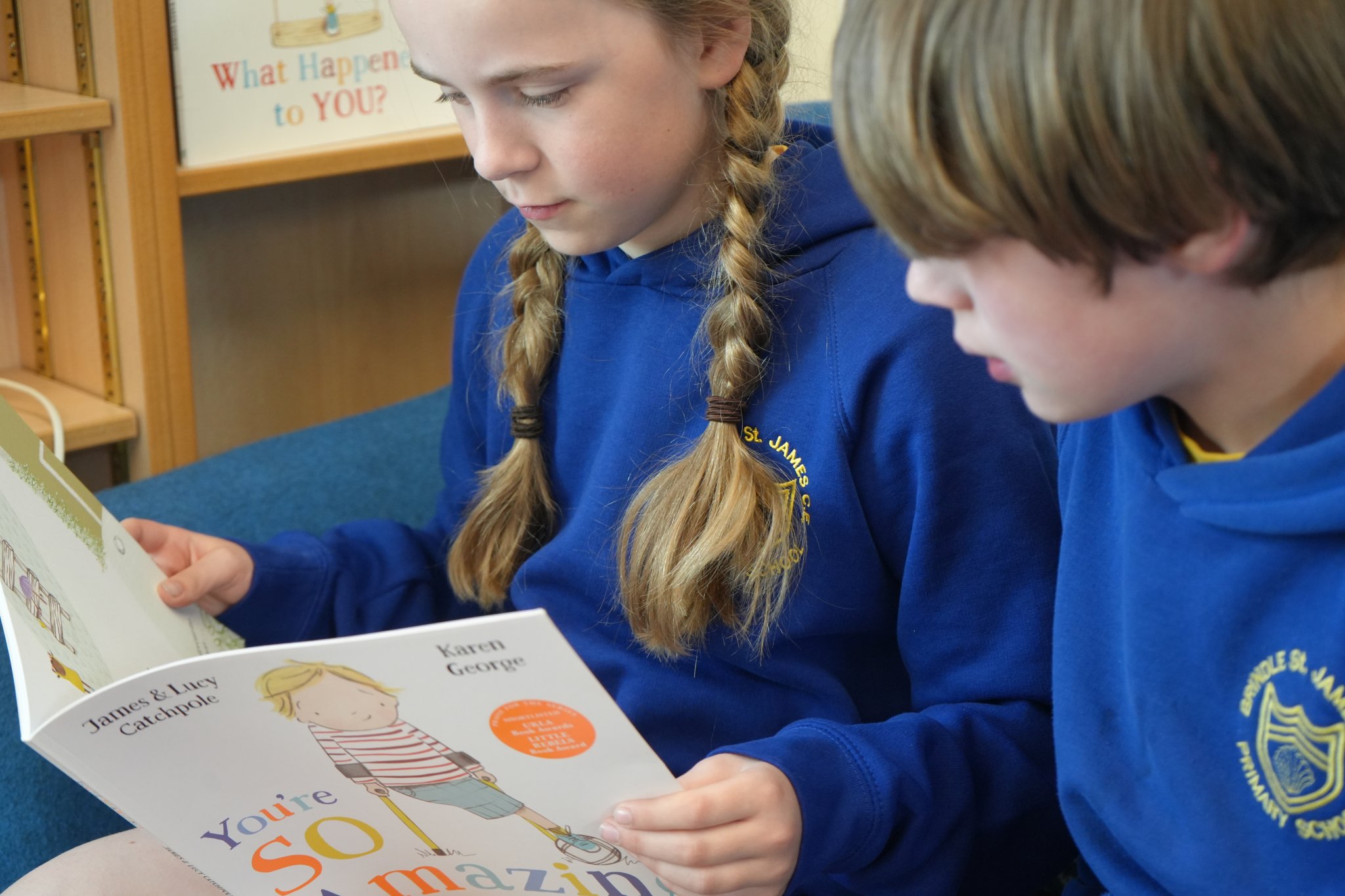
A range of reading schemes are used to support early readers as well as book banded ‘real books’ used for guided reading. Teaching assistants support reading activities to ensure that children have more frequent opportunities to read with adults. Children in the Foundation Stage class and Key Stage 1 take home a levelled book (matched to their phonics level) and phonics card from school according to their ability. Parents are encouraged to hear their child read the book and then record how they have got on. This encourages teacher - parent communication. Each child has a home-school reading record that teachers and parents can use to share information about a child’s reading. Parents are encouraged to read with their child daily. Guidance for Parents on Reading and Phonics will be provided during the year. In addition to this, children have the opportunity to choose a book from the school library.
In Key Stage 2, children choose books from the relevant book bands to take home and read. These books are levelled to help these children to continue to grow in confidence as readers, with a text that is appropriate for their reading age. Once they have progressed through these to the end of the banding, they then become free readers and can choose books, in consultation with the class teacher, from the class library or from home. Throughout the Key Stage, children become more independent in recording what they have read in their reading to support appropriate text choices. They are encouraged to record their own thoughts and opinions about the books in their Reading Record through planned activities and tasks. We still encourage all readers to share a book at home with their grown-ups. We believe that this not only helps to develop inferential skills, but also supports a life-long love of reading. Throughout the Key Stage, children become more independent in recording what they have read in their reading journals.
We recognise the value of adults (both in school and at home) reading aloud to children, in order to improve their grasp of story language, enthuse them with a love of books and inspire them as writers.
We aim to develop the children’s ability to produce well-structured, detailed writing in which the meaning is made clear and which engages the interest of the reader. Attention is paid throughout the school to the formal structures of English, grammatical detail, punctuation and spelling. Teachers model writing strategies and the use of phonics and spelling strategies in shared writing sessions. Guided writing sessions are used to target specific needs of both groups and individuals.
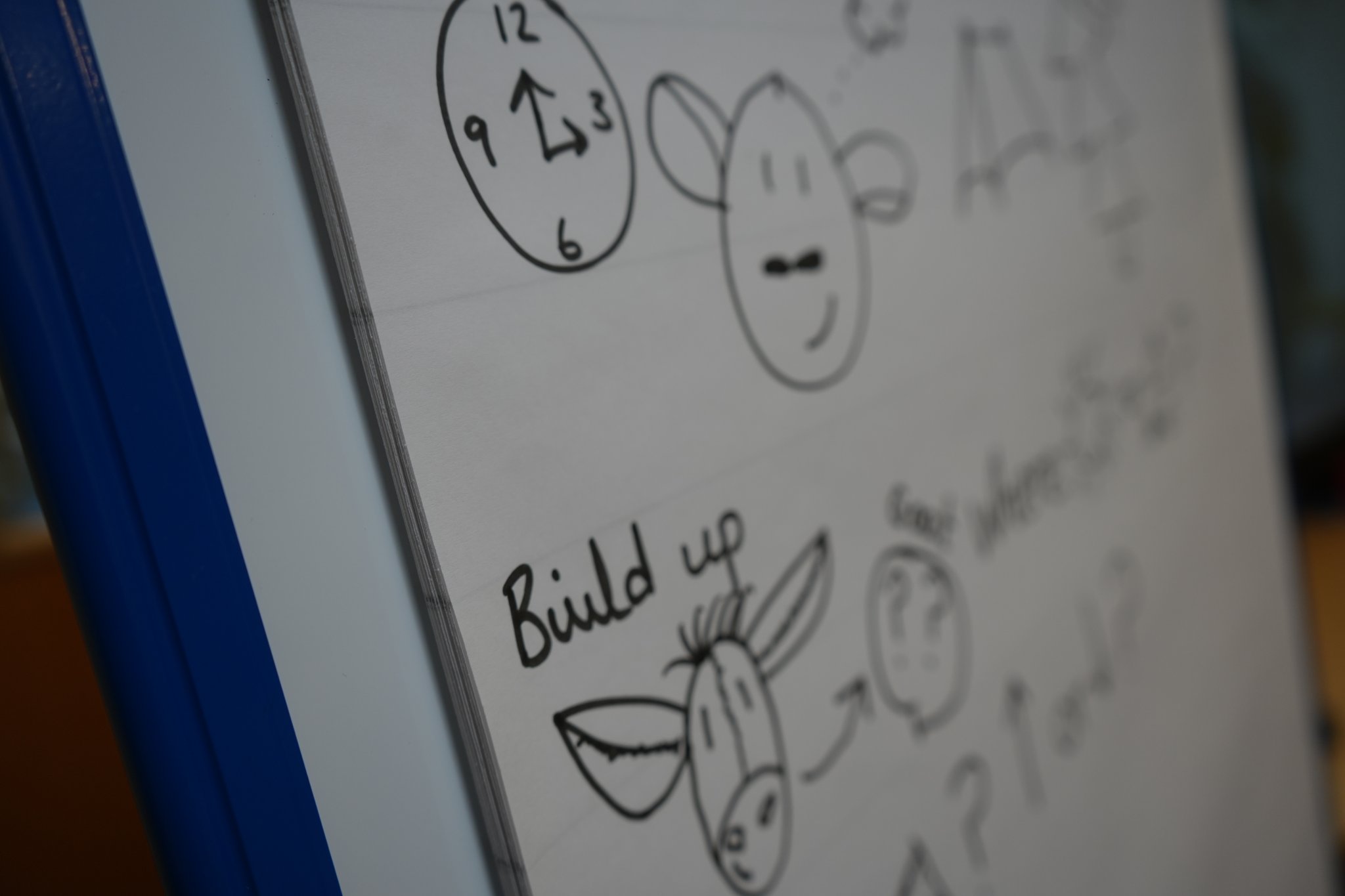
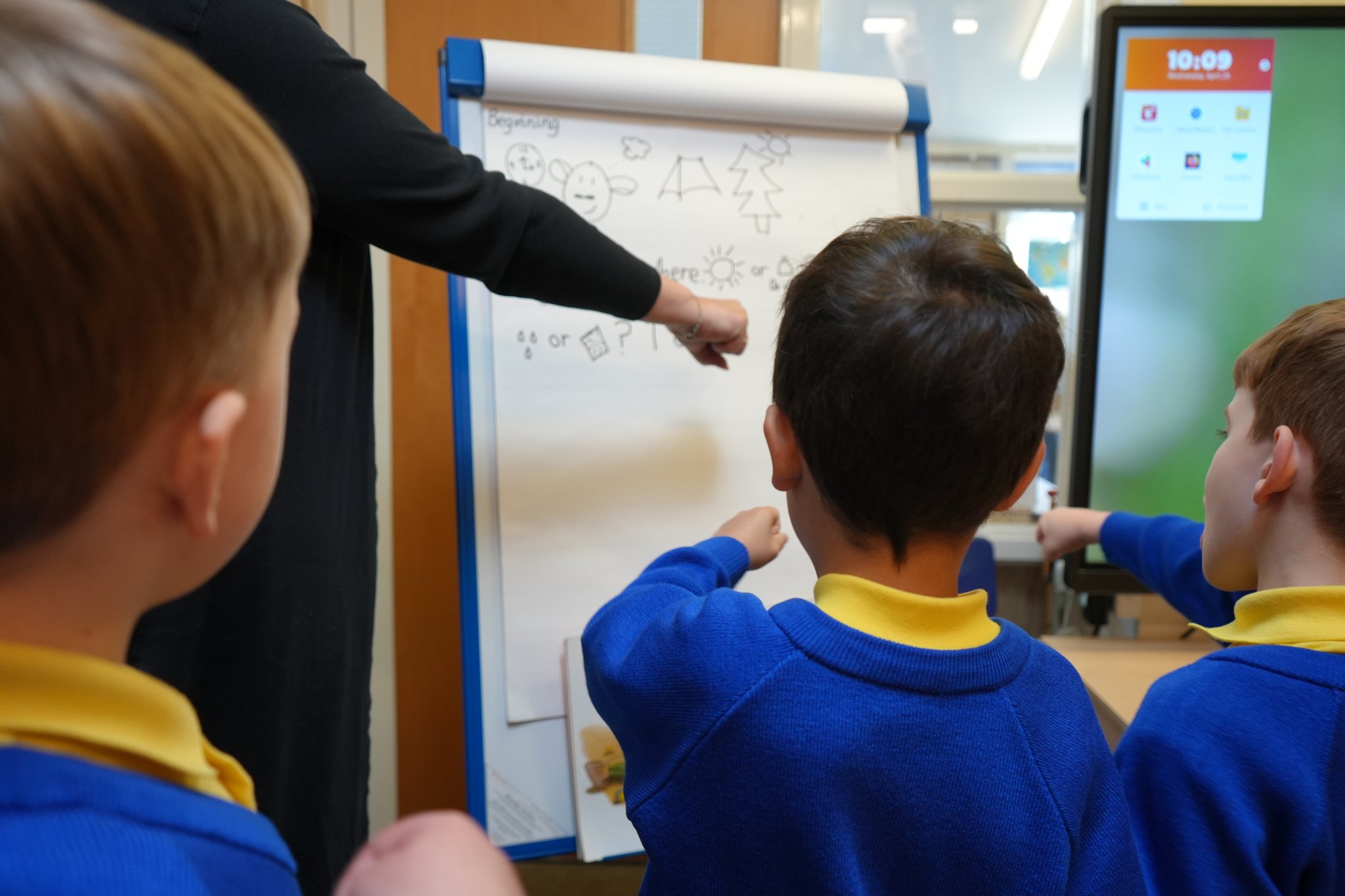
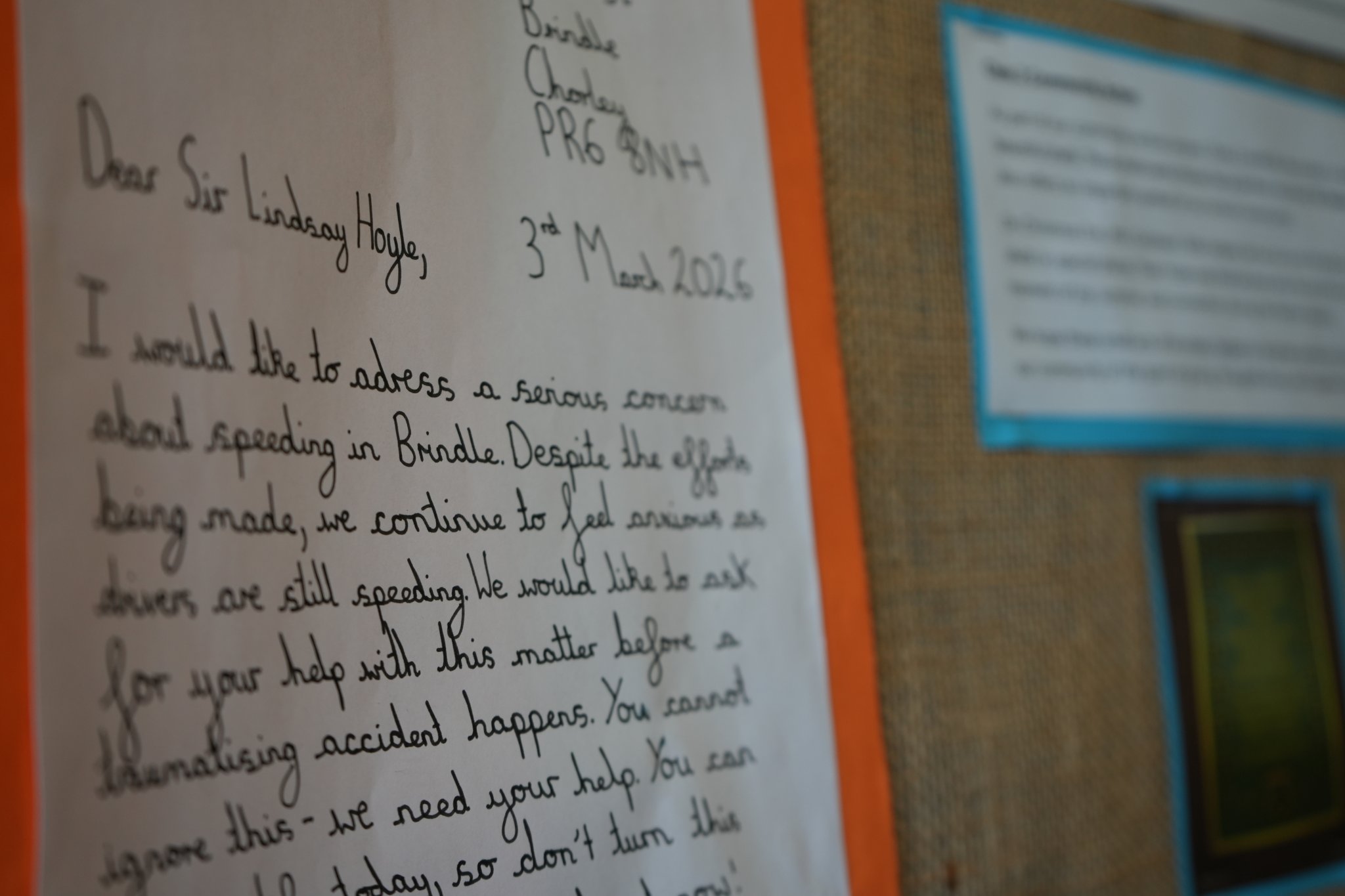
The children are given frequent opportunities in school to write in different contexts using quality texts as a model and for a variety of purposes and audiences. There are many opportunities for children to improve their writing inspired by drama techniques and film clips. They may be asked to produce their writing on their own or as part of a group. Children will also be given the opportunity to use ICT for their writing. We have our own developed Handwriting Scheme in school to help children develop fluent, clear and legible joined up writing. Children will learn in Reception to form letters with a lead-in stroke ready for joining in Year 1. In Year 4, once children have acquired a neat and cursive style, they will be given a pen, encouraging them to take care in their presentation and have pride in their work. Every class has an English working wall where the key learning will be displayed. This wall evolves as each day progresses. It is the public display of the learning process. It will display exemplified text-types and will be used to demonstrate to pupils how they will be able to achieve the learning outcome. Key vocabulary is also displayed. Mind mapping, modelled examples, re-drafting and pupil’s examples are regular features of the working wall. Extended independent writing will take place in every class on a regular basis. This is usually linked to the literacy genre being studied at the time, but may also be cross-curricular. These pieces of writing will be marked with appropriate next steps encouraged by our whole class feedback and marking policy. Independent pieces are completed each half term and these can be short or more extended pieces of writing. These will assist the teacher in measuring pupils’ progress against the KLIPs (key indicators of performance).
Teachers will seek to take advantage of opportunities to make cross-curricular links. They will plan for pupils to practise and apply the skills, knowledge and understanding acquired through English lessons to other areas of the curriculum, with a particular focus, in our school, of writing through all subject areas where the same standard of writing is expected as in English books. At times, a further piece of independent writing can be planned for in another curricular area giving further opportunity for children to display their proficiency in writing a particular text type. progress against the KLIPs (key indicators of performance).
Impact
Assessment in English is thoroughly monitored by the English Subject Lead, Assessment Lead and Head Teacher. Termly Pupil Progress Meetings ensure the close tracking of pupil progress in Reading and Writing and pupils that are not progressing as expected are identified and appropriate interventions discussed.
Formative assessments are conducted at the end of each lesson and the use of whole class marking is used to inform future learning. Pupils are given timely opportunities to edit their learning and achieve writing targets.
The Subject Lead for English regularly monitors the teaching and learning of English through learning walkthroughs, book looks and pupil discussions. Monitoring of English is reported to the Headteacher and School Governing body on a termly basis.
The English Subject Leader is Mrs. Chase.
Useful Websites
Spelling Links
- Spelling Frame - KS2 Spelling Practice
- Emile